BALTA – Biological Alphabet for Longevity Typology Analysis
The Genome Condition Index (GCI)
We present an experimental methodology for characterizing temporal changes in the human genome using a high-resolution, interferometric fluorescence-spectroscopy platform termed the IP® method. The approach integrates a narrow-linewidth 455 nm distributed-feedback (DFB) laser, coherent excitation control, and Fourier-transform interferometric detection to quantify subtle biochemical and structural states within chromatin and the surrounding molecular environment. Periodic fluorescence-based genomic profiling reveals optical signatures related to redox balance, chromatin compaction, oxidative DNA damage, metabolic cofactor dynamics, hydration microenvironment, and xenobiotic influences. These signals form a multidimensional “optical phenotype” of genome condition that evolves over time.
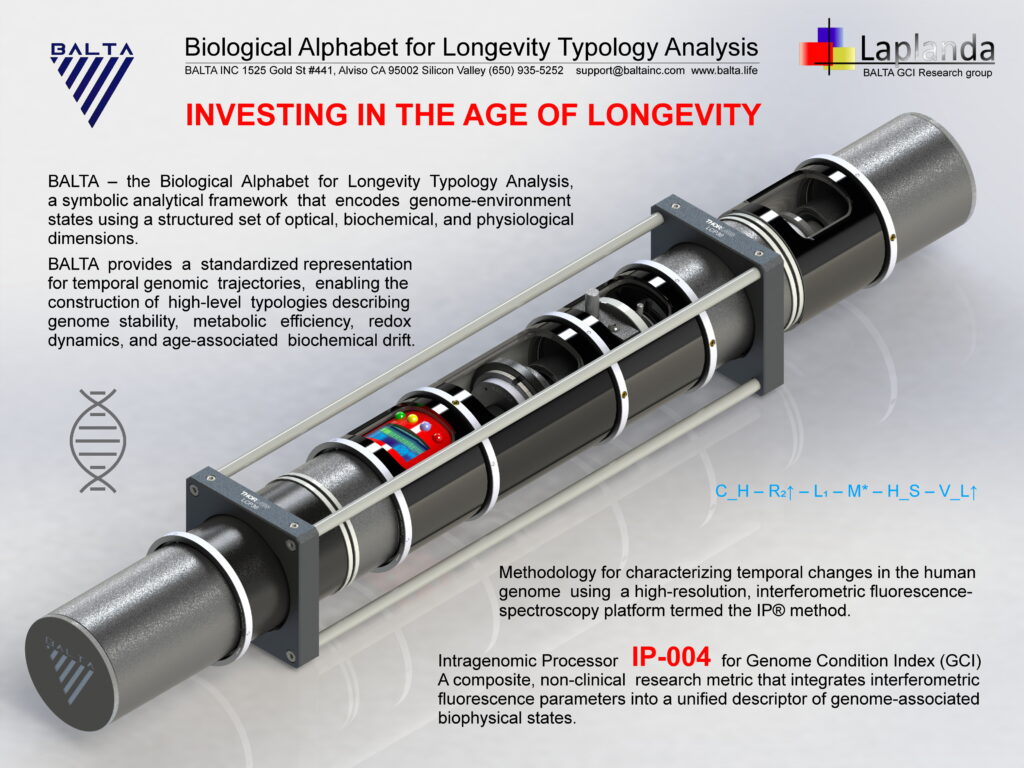
To interpret these measurements, we introduce BALTA – the Biological Alphabet for Longevity Typology Analysis, a symbolic analytical framework that encodes genome-environment states using a structured set of optical, biochemical, and physiological dimensions.
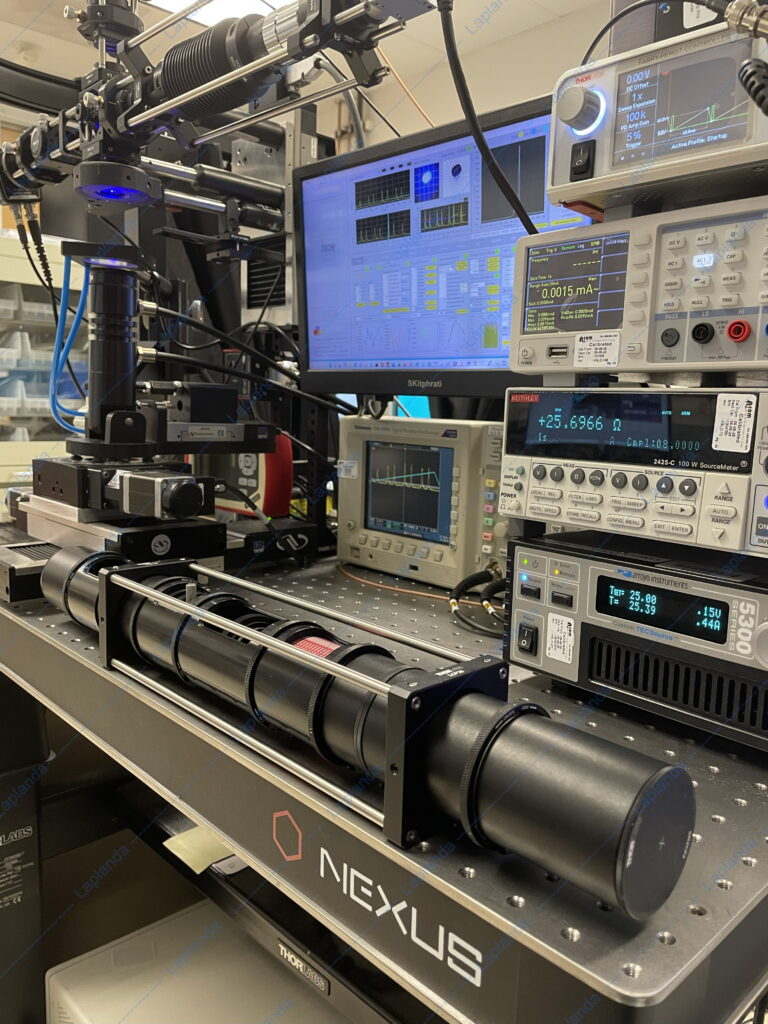
IP®-based method when applied at the scale of the human genome
High-resolution optical signatures of chromatin state.
This method (455 nm excitation + interferometric FT fluorescence detection) can resolve biochemical and structural states of chromatin, such as:
- Redox-state–dependent changes in NADH/FAD ratios
- Autofluorescence shifts caused by DNA damage (e.g., oxidation, crosslinks)
- Chromatin compaction / histone modifications that alter scattering and local environment
- Protein–DNA binding changes that shift fluorophore lifetimes
- Age-dependent accumulation of lipofuscin or porphyrin-related signatures
This yields a measurable, quantitative “optical phenotype” of genome condition—a temporal molecular fingerprint.
This can be very powerful. It can reveal:
- Trends correlated with biological aging
- Stability or instability of chromatin architecture
- Persistent oxidative stress signatures
- Epigenetic drift proxies
- Changes in metabolic coupling to DNA repair pathways
These are legitimate and measurable using advanced fluorescence methods.
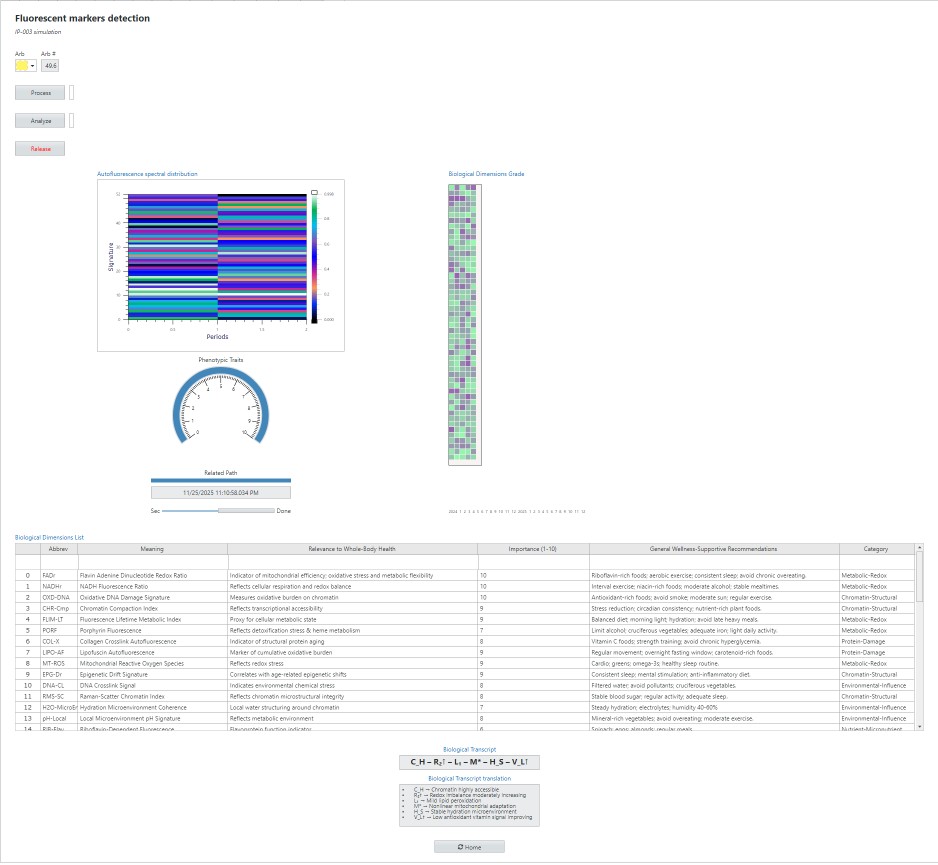
BALTA – Biological Alphabet
BALTA provides a standardized representation for temporal genomic trajectories, enabling the construction of high-level typologies describing genome stability, metabolic efficiency, redox dynamics, and age-associated biochemical drift. Using this system, we define the concept of a Genome Condition Index (GCI)—a composite, non-clinical research metric that integrates interferometric fluorescence parameters into a unified descriptor of genome-associated biophysical states.
Our findings demonstrate that high-coherence blue-laser excitation combined with interferometric detection can resolve microstructural and biochemical variations traditionally inaccessible to conventional fluorescence methods. Although non-clinical and exploratory, the IP® platform offers a promising foundation for future research into optical biomarkers of genomic behavior, longevity-associated molecular dynamics, and the development of temporal genomic typology models. The BALTA framework further provides a formalized language for representing these signatures, facilitating machine-learning classification, temporal mapping, and longitudinal interpretation. WEB GUI interface…
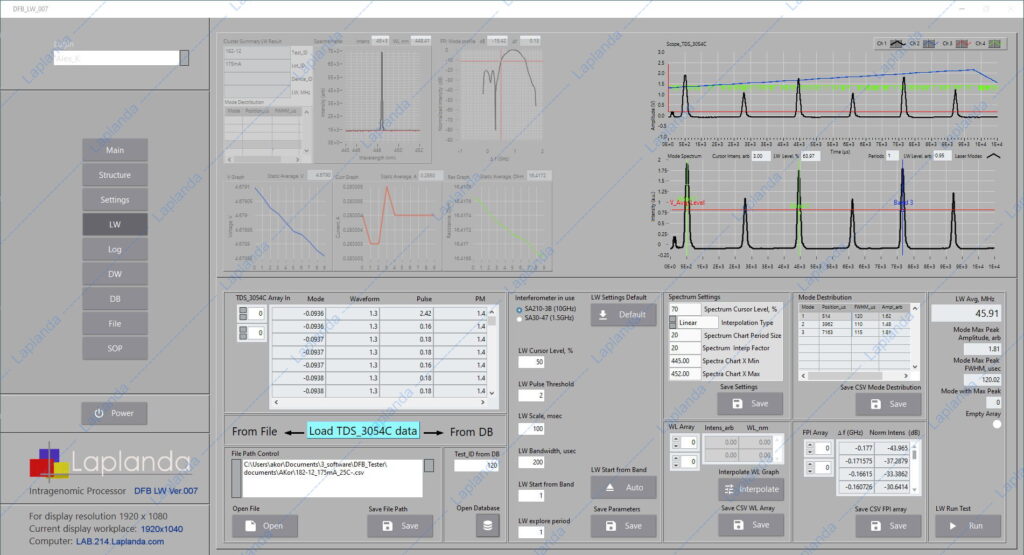
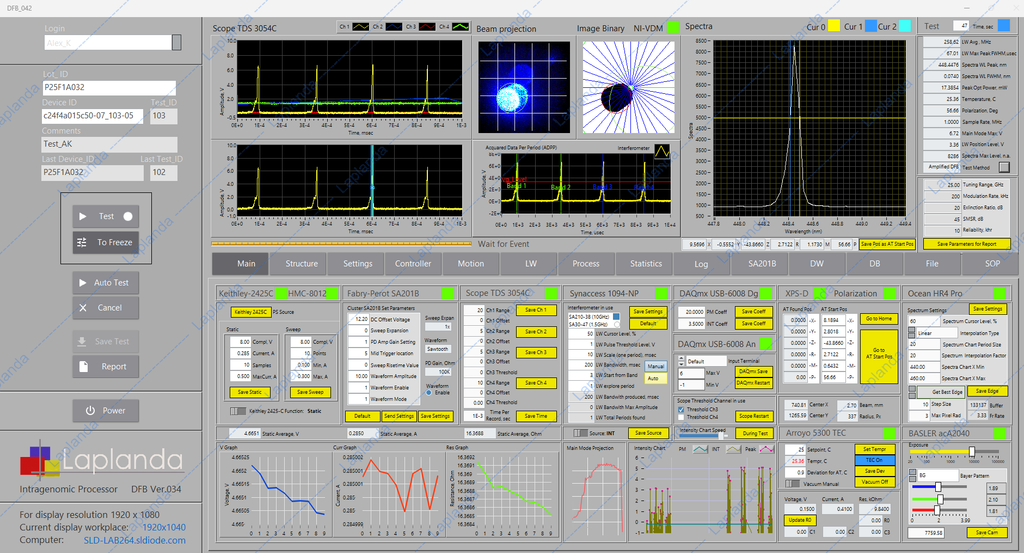
Lab Test
The IP® technique is founded on fluorescence spectroscopy–based sequencing, enabling the detection of subtle biochemical and structural variations in genomic material over time. Through periodic scanning of genomic characteristics using a temporal matrix analysis and chemical refraction profiling, our research indicates that measurable, time-dependent changes in the genome can be observed.
At our current stage, we are focused on developing a Biological Alphabet – a novel framework for interpreting longevity typology based on genomic fluorescence patterns. This work leverages IP-003, a third-generation intragenomic processor developed by the BALTA Research Group, which integrates advanced optical, analytical, and computational technologies.
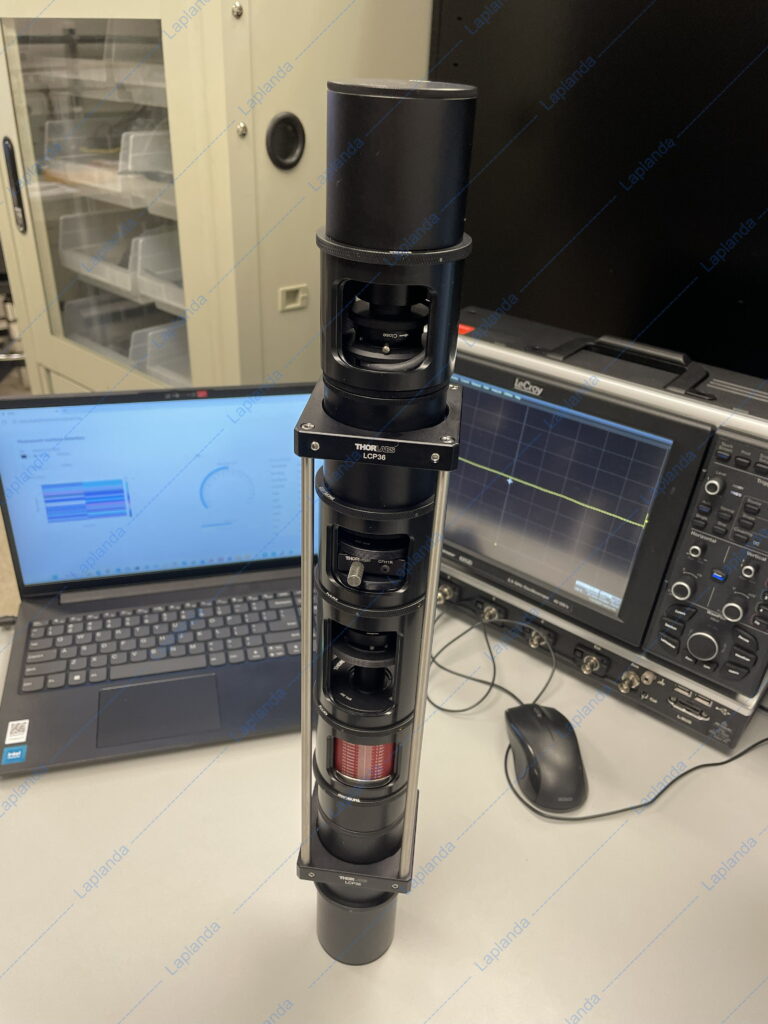
About the IP® Method
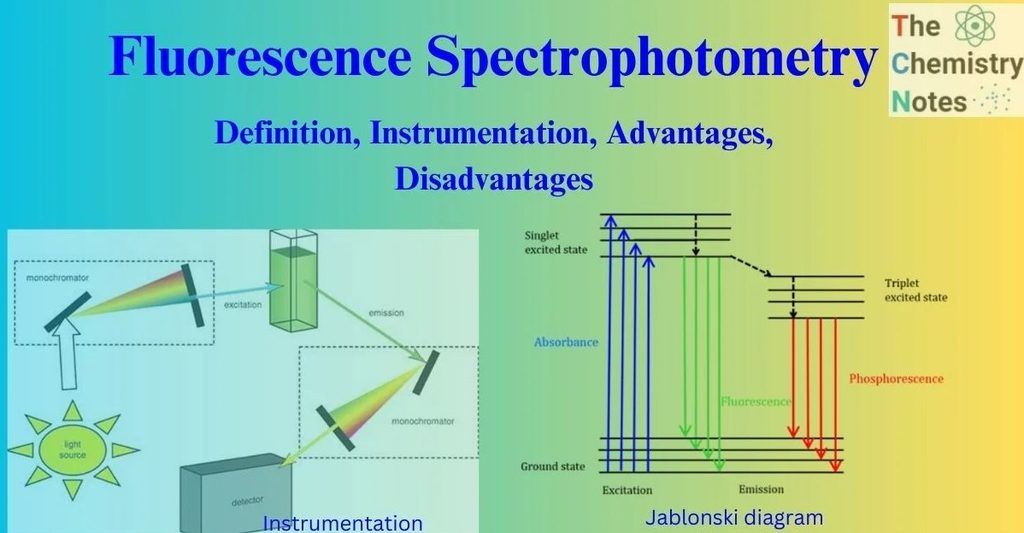
The IP® method is experimental platform in photonics + spectroscopy that utilizes fluorescence spectroscopy, a powerful analytical technique that measures the light emitted by a molecule after it absorbs photons of a specific wavelength.
This approach is widely used to study proteins, DNA, and other biologically significant molecules, providing insight into their structure, dynamics, and interactions.
The IP® Principle
Excitation
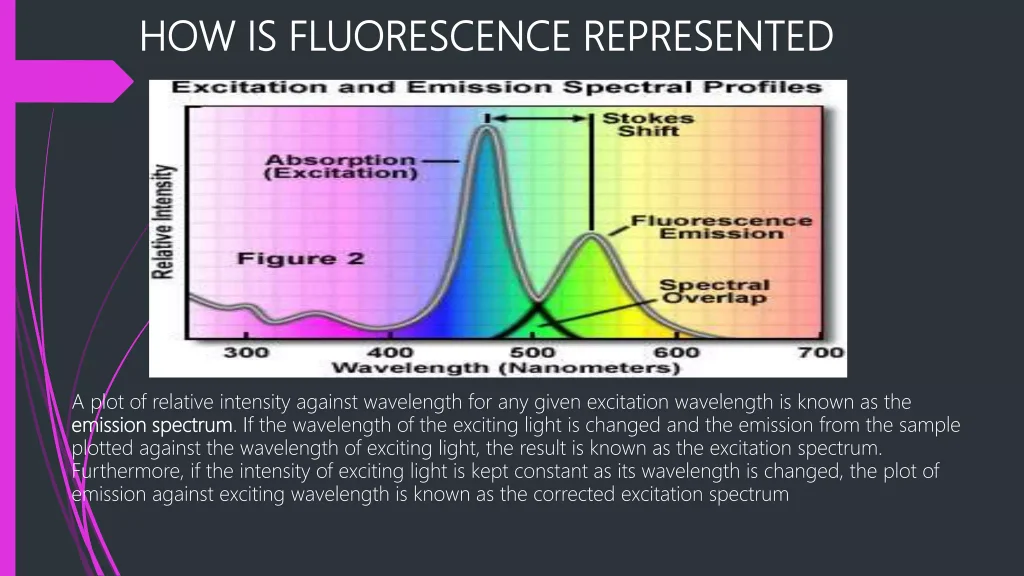
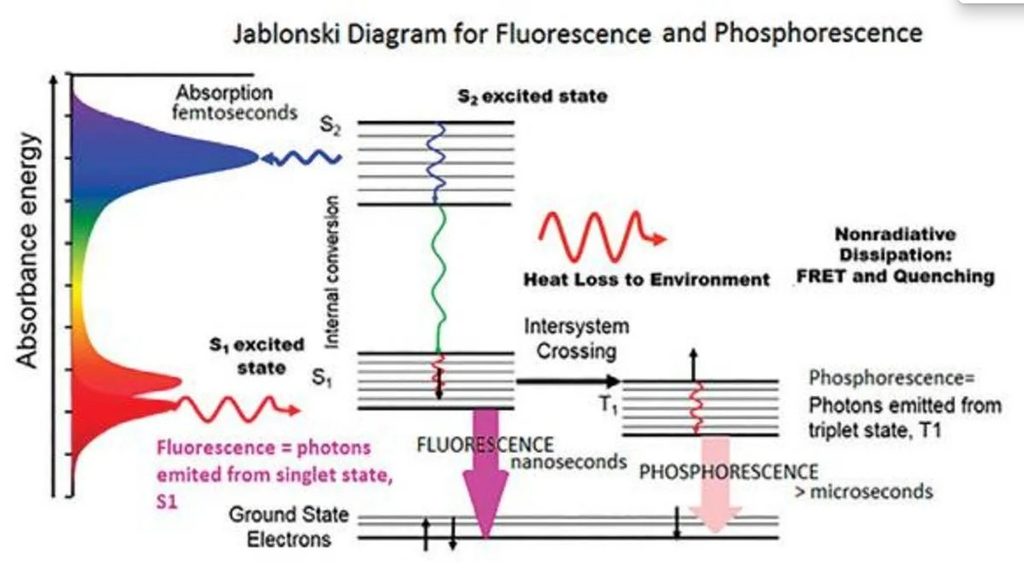
The biological sample is illuminated with light of a specific wavelength, exciting electrons within the molecules to higher energy states.
Emission
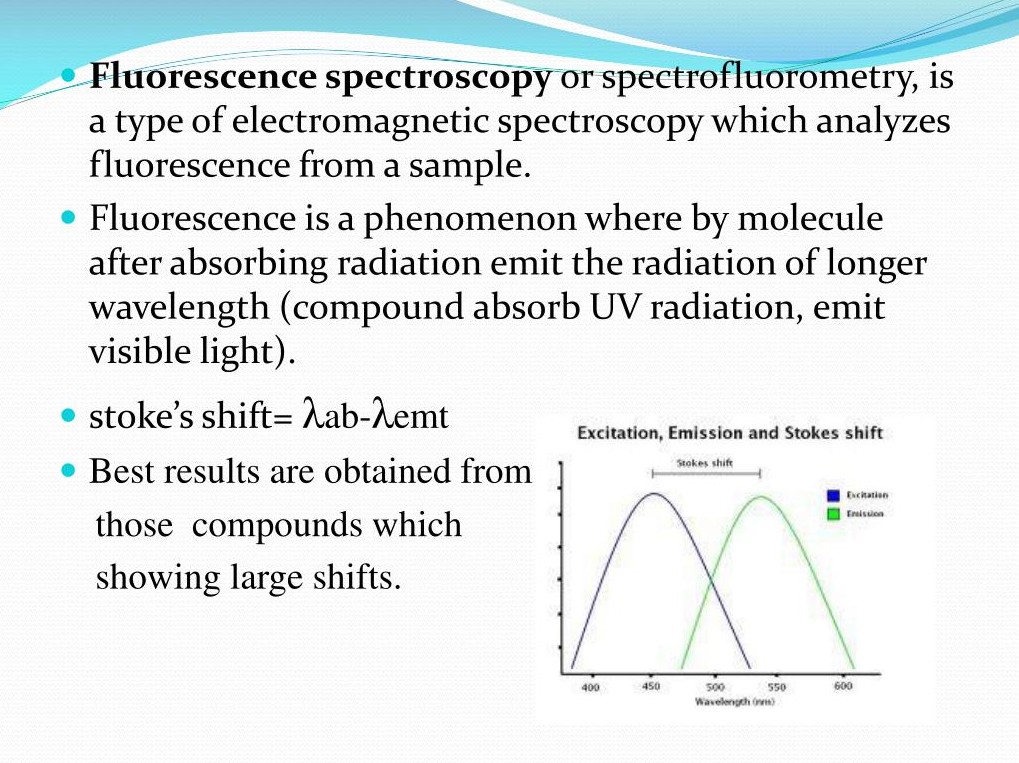
As the excited molecules return to their ground state, they emit light (fluorescence) at a longer wavelength than the excitation source.
Detection
The emitted fluorescence is analyzed using an interferometric detection system. The intensity and spectral distribution of the fluorescence are recorded and processed by a high-speed microprocessor, enabling precise characterization of molecular behavior.
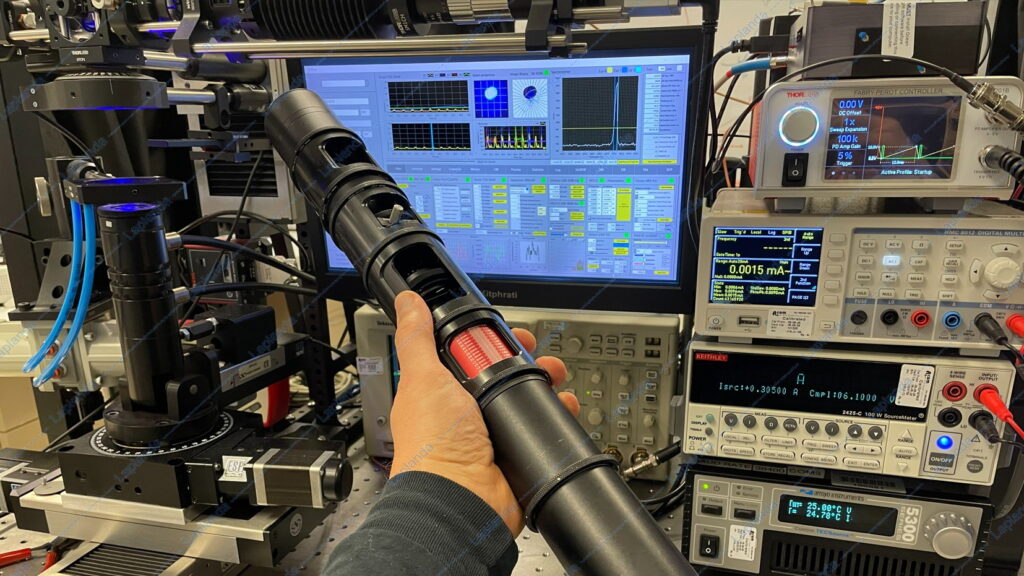
Biological Alphabet
Every individual’s genome is unique. To develop a personalized Biological Alphabet for Longevity, we apply the IP®-based gene sequencing method, which integrates advanced fluorescence spectroscopy and precision optical analysis.
Our research explores new frontiers in genomic science, revealing molecular phenomena within the human genome that are yet to be fully understood. Using a DFB-seeded blue laser (455 nm wavelength) in combination with a semiconductor optical amplifier (SOA), we achieve precise wavelength locking essential for accurate detection and analysis of biological structures.
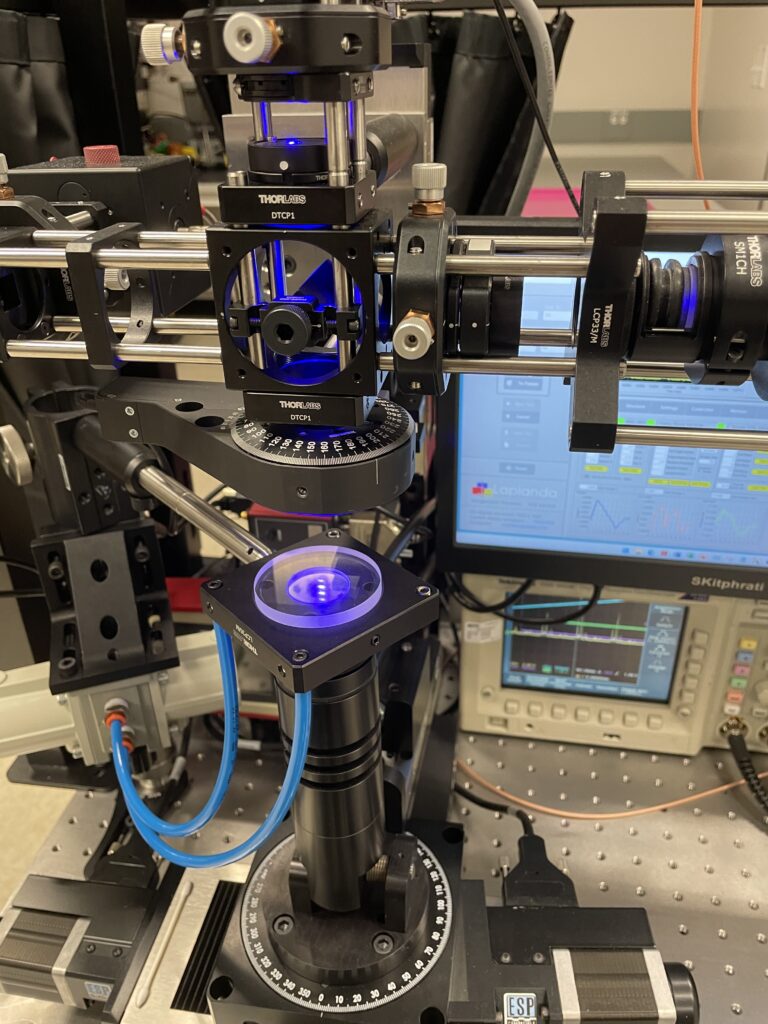
Community and Membership
This introduction is shared openly to invite interest and constructive feedback from the broader scientific and technical community. We regularly publish research updates and project developments that are available exclusively to our registered members.
To stay informed and support our ongoing research, you are welcome to join our membership program.
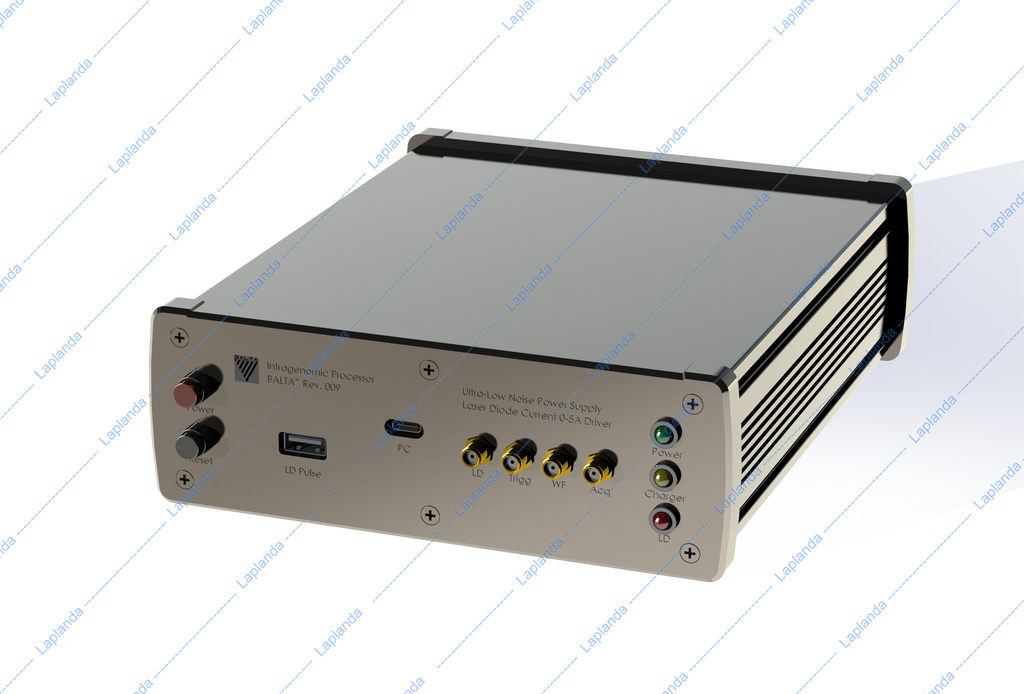
Laplanda IP_PS_012 is a specialized ultra-low-noise laser-diode current driver and high-speed waveform controller developed for the Intragenomic Processor Rev.012 platform.
It combines precision laser-diode current control, programmable waveform generation, nanosecond pulse capability, battery operation, and embedded digital control in one compact instrument.
The laser-diode driver provides a programmable output-current range of 0 to 3 A with up to 12 V compliance voltage.
This high compliance voltage allows the controller to operate with a broad range of laser-diode configurations while maintaining controlled drive current.
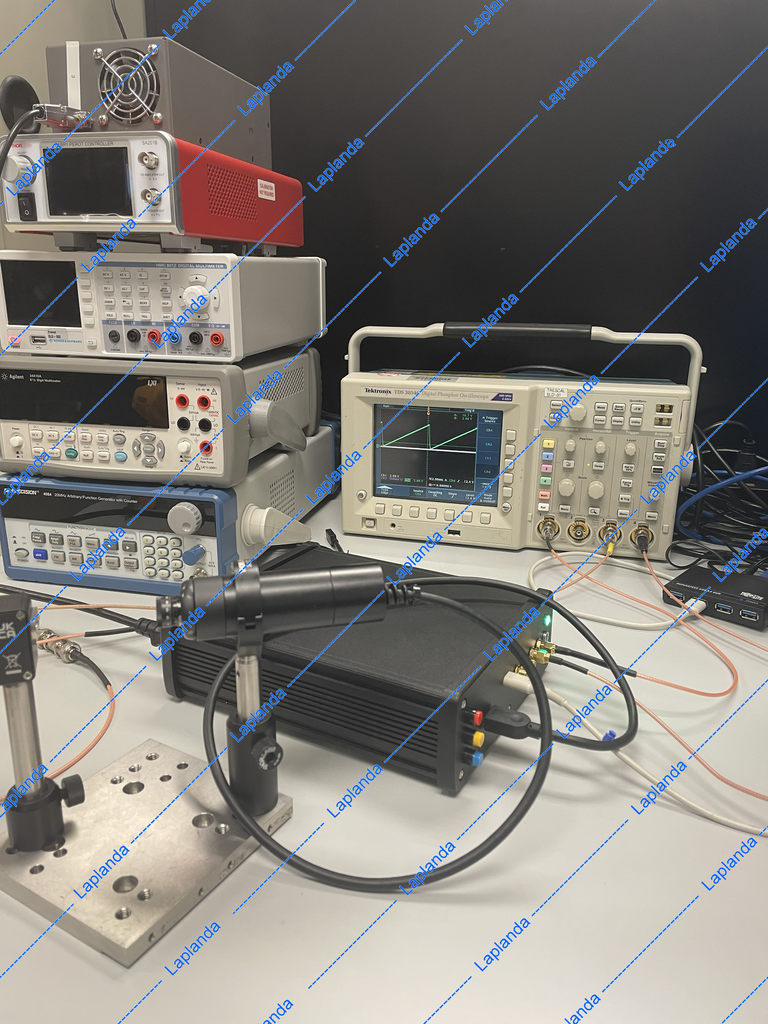
The controller can generate a programmable sawtooth drive waveform spanning the operating range, with the demonstrated Rev.012 configuration producing a 10 ms period waveform.
High-speed pulse-generation circuitry provides programmable electrical pulses with a demonstrated minimum pulse width of approximately 5 ns.
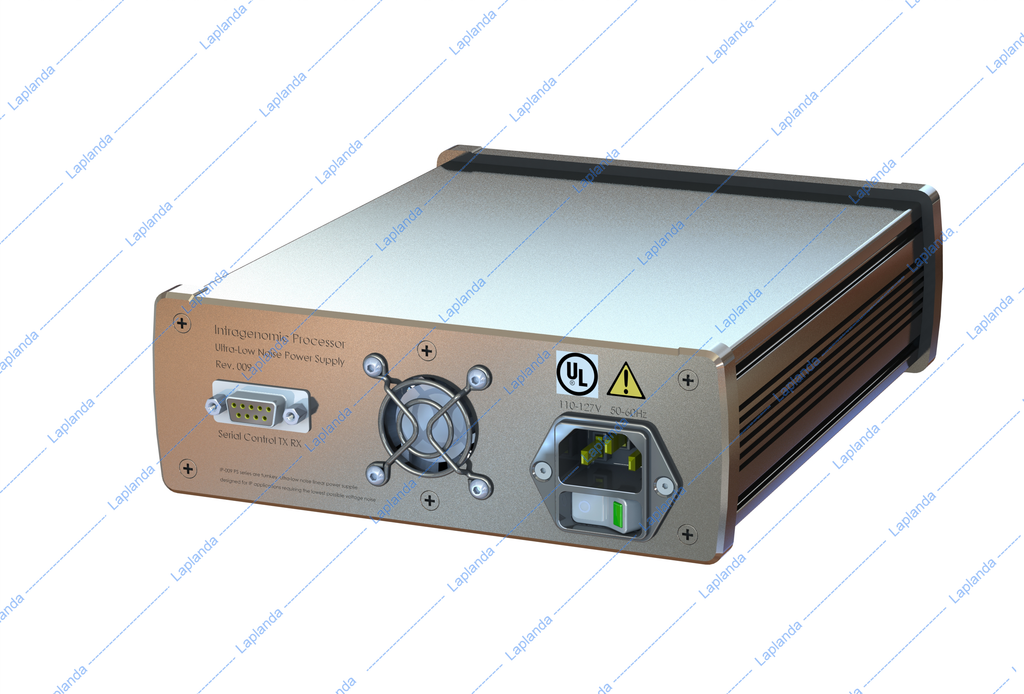
Laplanda IP_PS_012
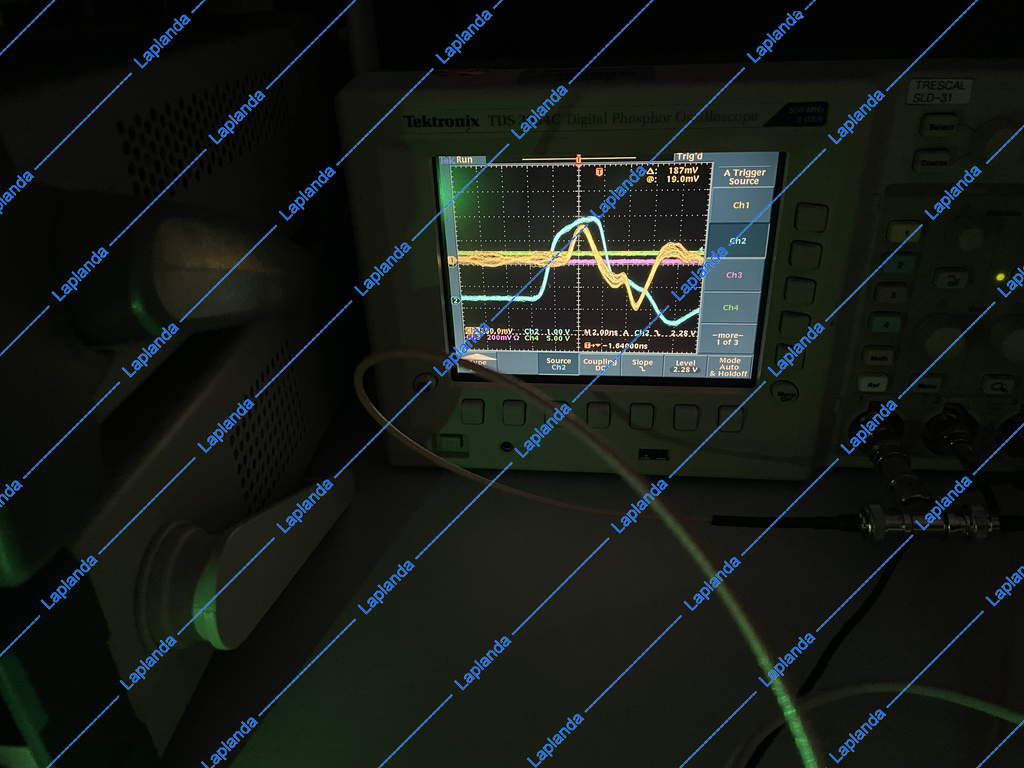
Measurements performed during Rev.012 development demonstrated an amplified waveform falling edge of less than 1 ns under the tested configuration.
The corresponding optical response has also been experimentally observed using a Thorlabs DET025A ultrafast biased photodetector, providing direct verification of the laser-beam temporal response.
The combination of high-current operation and nanosecond-scale switching makes IP_PS_012 suitable for applications requiring both controlled laser excitation and precise temporal modulation.
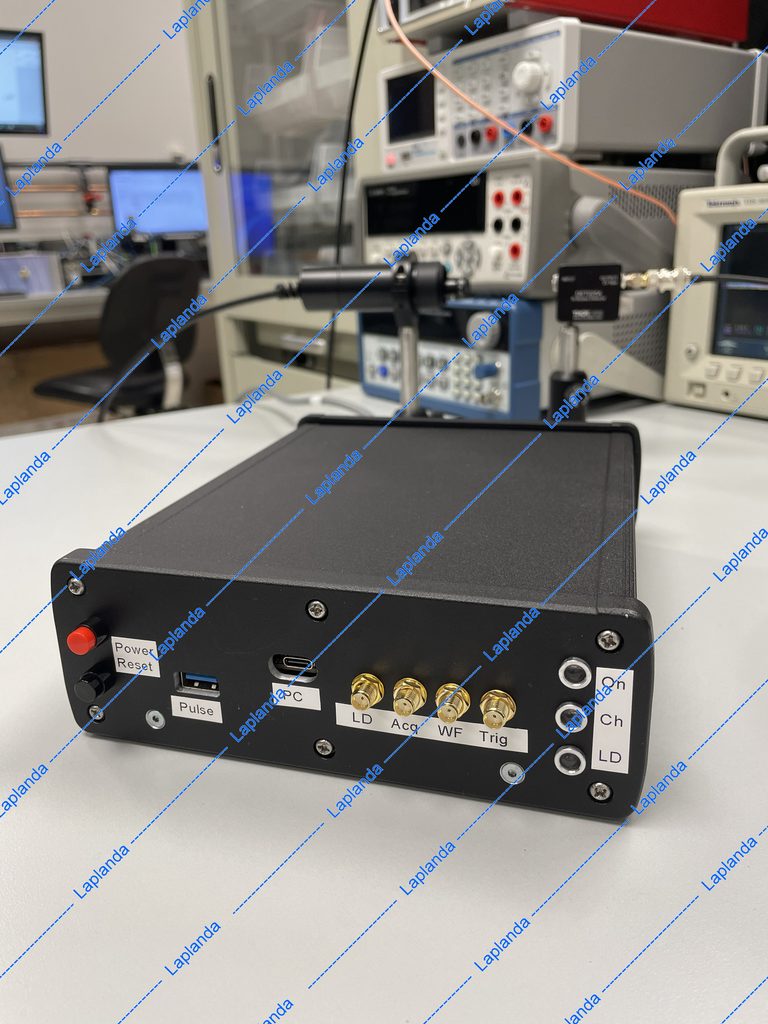
Laplanda IP_PS_012
The system is controlled by an STM32H747XI dual-core Arm microcontroller, combining a 480 MHz Cortex-M7 processor with a 240 MHz Cortex-M4 processor.
This processing architecture allows high-level instrument control to operate alongside timing-sensitive waveform and laser-control functions.
A dedicated software interface developed by Laplanda CC provides convenient PC-based configuration, operation, monitoring, and customization of controller parameters.
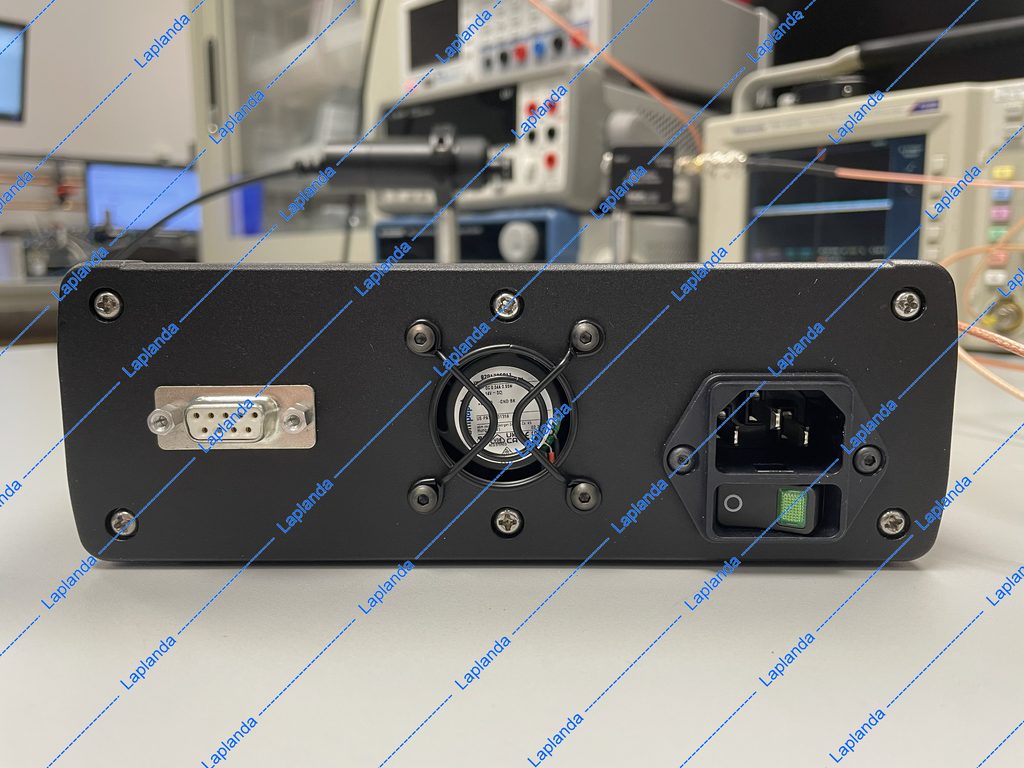
Laplanda IP_PS_012
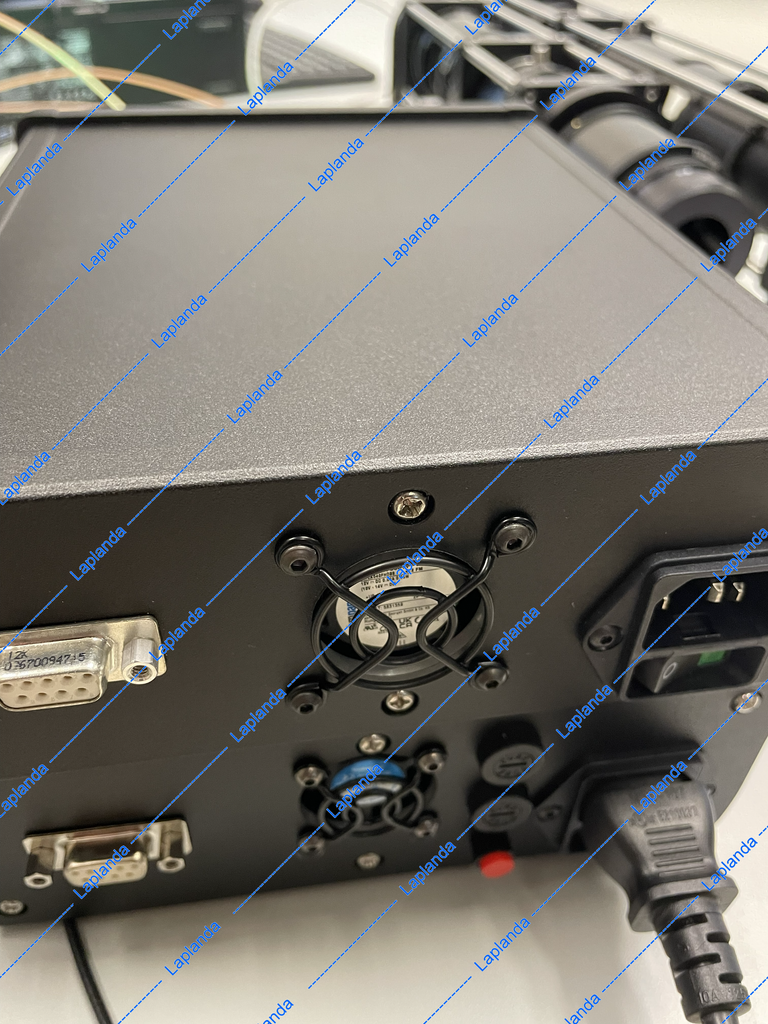
USB connectivity provides the primary interface between the controller and the host computer.
Dedicated front-panel connections provide access to laser-diode, acquisition, waveform, and trigger signals for laboratory integration and synchronization with external instrumentation.
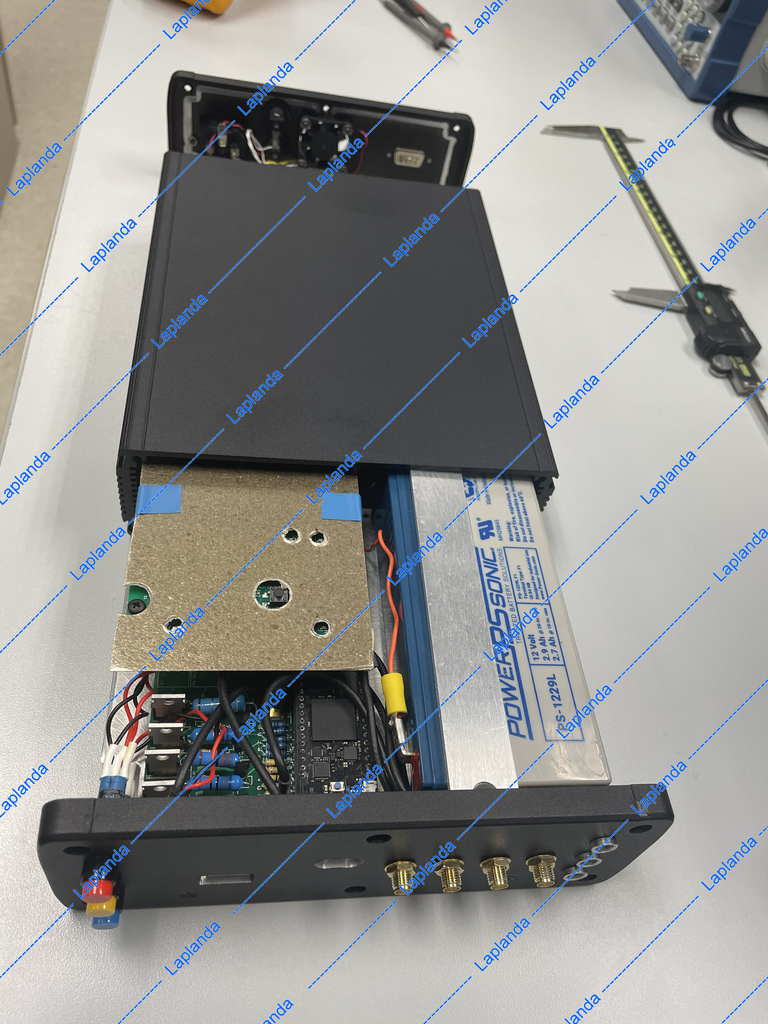
The controller incorporates an internal 12 V, 2.9 Ah rechargeable battery, allowing the laser electronics to operate from a self-contained power source and helping isolate sensitive circuitry from external AC-line disturbances.
An integrated automatic charging system maintains the internal battery using predetermined hysteresis thresholds without requiring continuous manual charge control.
Laplanda IP_PS_012
IP Laser Source Ultra-Low Power supply with up to 2ns pulse and femtosecond falling slope
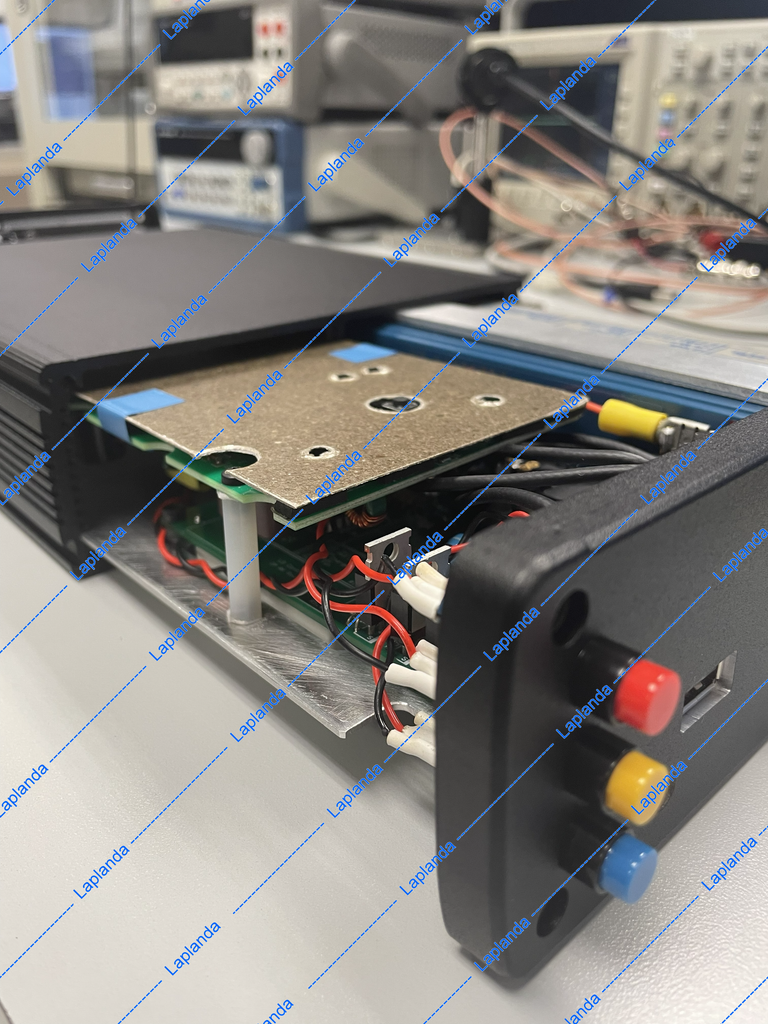
The Rev.012 enclosure measures approximately 7 × 8.2 × 2.4 inches and uses a rugged aluminum instrument housing suitable for laboratory and prototype-system integration.
Front-panel status indicators provide immediate information about controller power, charging status, and laser-diode operating state.
Laplanda IP_PS_012
The combination of 0–3 A current capability, 12 V compliance, nanosecond pulse generation, sub-nanosecond measured falling-edge performance, battery operation, dual-core embedded processing, and programmable software control creates an unusually integrated laser-control platform.
Laplanda IP_PS_012
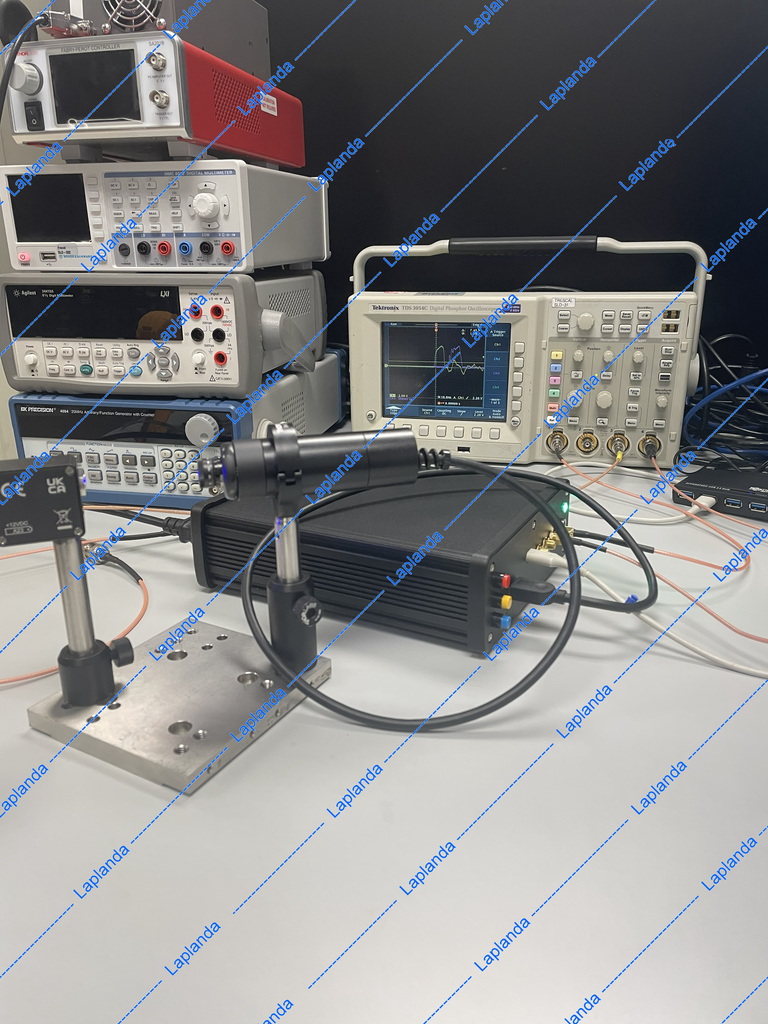
IP_PS_012 was developed by Laplanda CC as the precision laser-diode power and timing subsystem for Intragenomic Processor Rev.012 and for advanced experimental applications requiring tightly controlled optical excitation.
Intagenomic Processor
The IP® technique is founded on fluorescence spectroscopy–based sequencing, enabling the detection of subtle biochemical and structural variations in genomic material over time. Through periodic scanning of genomic characteristics using a temporal matrix analysis and chemical refraction profiling, our research indicates that measurable, time-dependent changes in the genome can be observed. Through periodic scanning of genomic characteristics using a temporal matrix analysis and chemical refraction profiling, our research indicates that measurable, time-dependent changes in the genome can be observed.
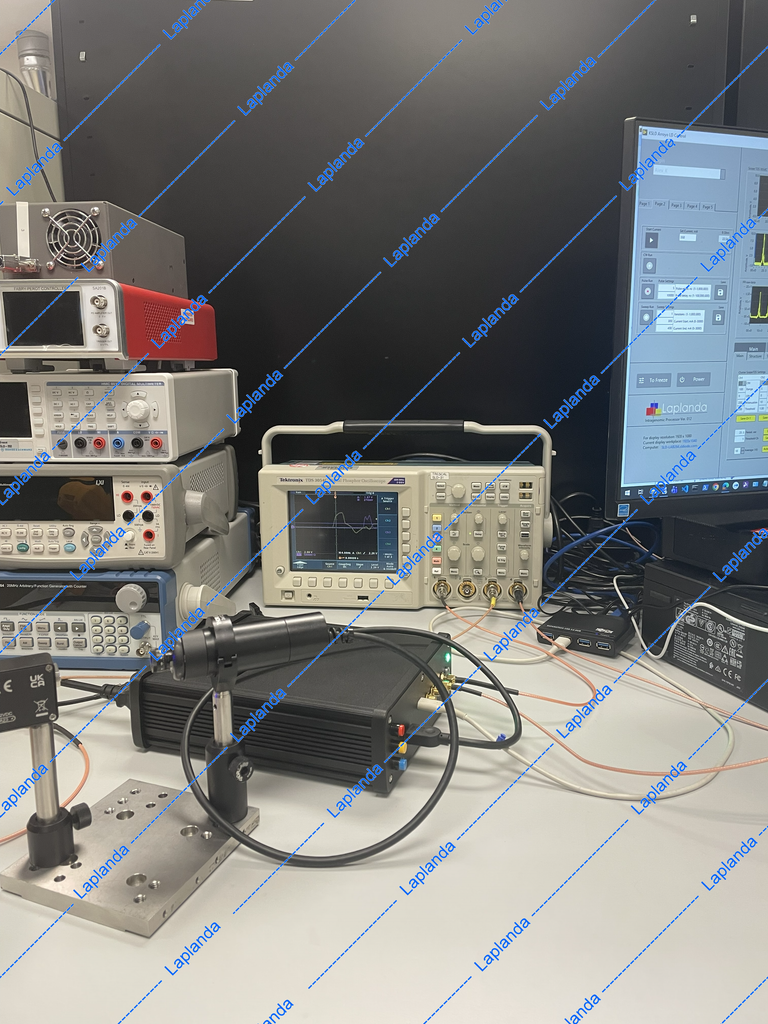
IP Laser Source Ultra-Low Power supply with up to 2ns pulse and femtosecond falling slope
Blue (455 nm) Laser-Induced Fluorescence Spectroscopy to measure fluorescence spectra, lifetimes, or subtle shifts in emission that report on the environment (e.g., pH, oxygenation, binding).
At 455 nm excitation, we are in the blue region of the visible spectrum, suitable for exciting a range of biological chromophores and fluorophores, including:
- Collagen crosslinks
- Flavins (FAD, FMN)
- NADH
- Some porphyrins
- GFP derivatives and blue fluorescent proteins
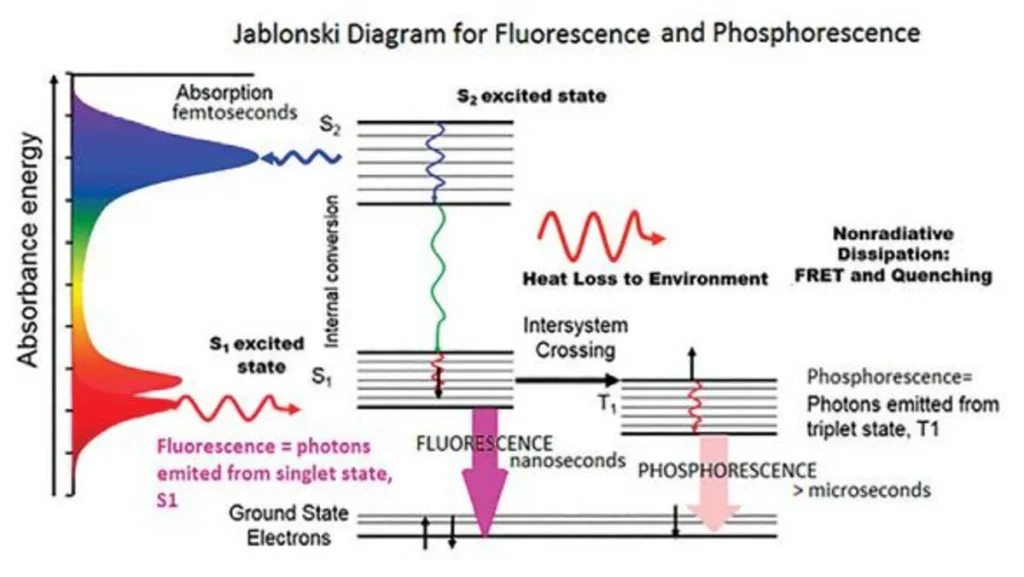
Excitation
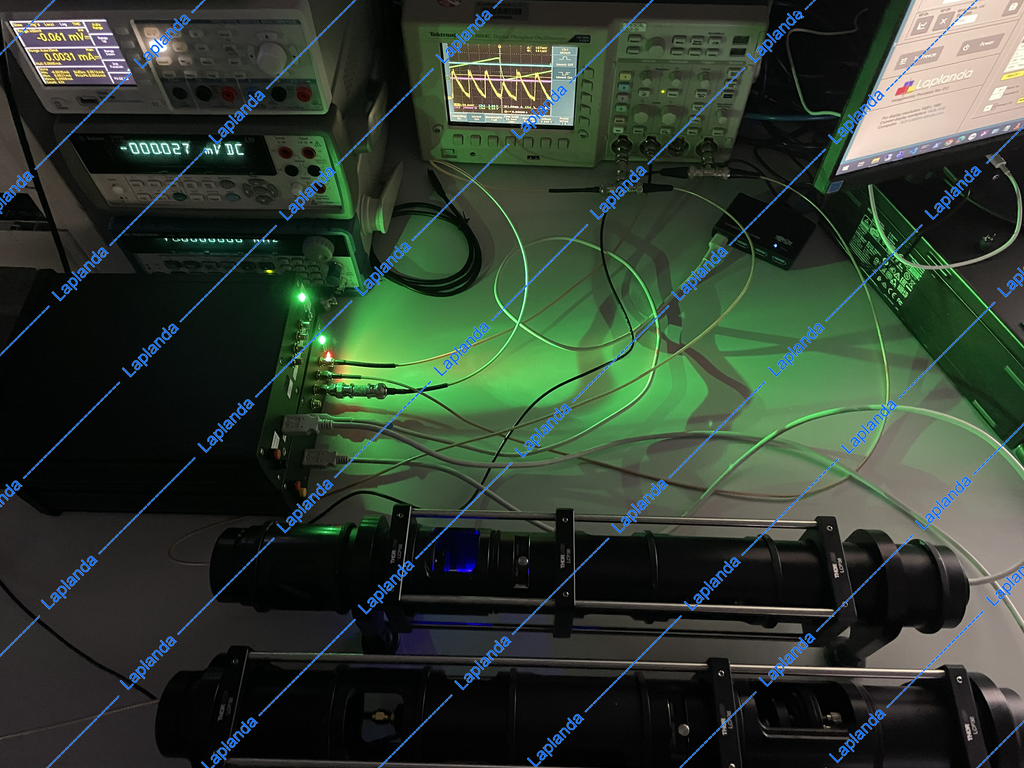
We use the DFB a distributed feedback (DFB) laser diode at 455 nm with: • Δλ ≈ 0.1 nm FWHM (≈50 MHz linewidth) • Excellent wavelength stability • Single longitudinal mode is exceptionally narrow compared to typical diode lasers (which have ~1–2 nm bandwidths).
Implications
• Very low excitation spectral width gives us high spectral selectivity for excitation. • Reduced spectral overlap with broad fluorescence bands, which helps in spectral discrimination (especially when using lock-in detection or interferometric methods). • Stable coherence length (tens of meters for 50 MHz linewidth) allows for interferometric use.
Detection
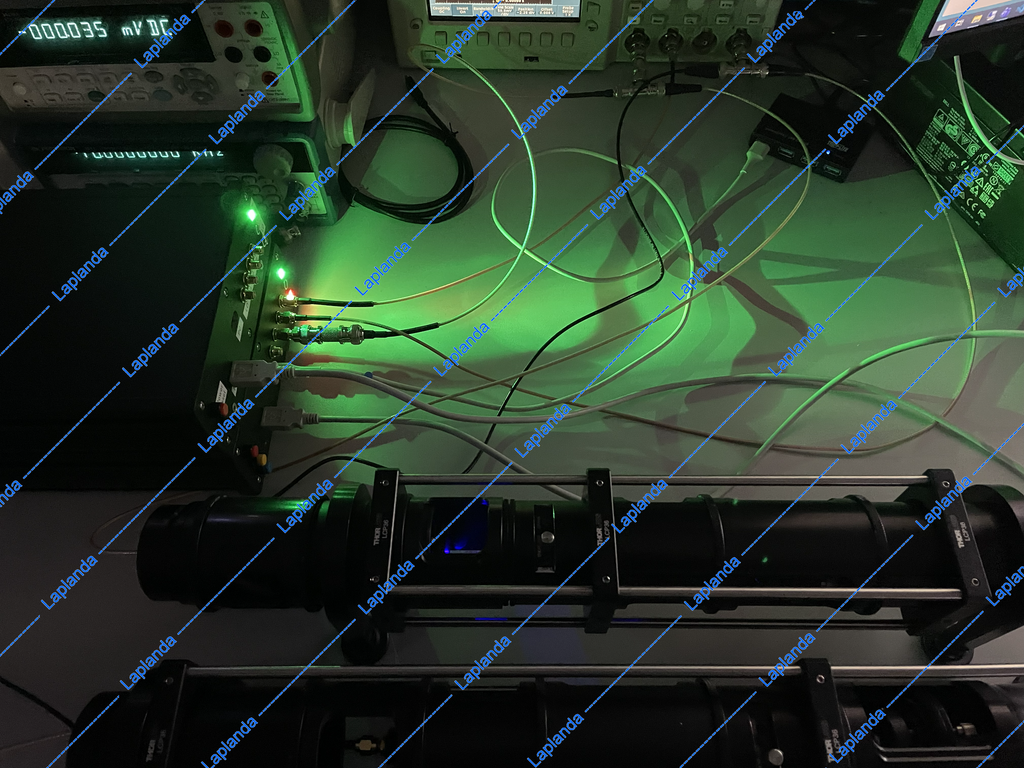
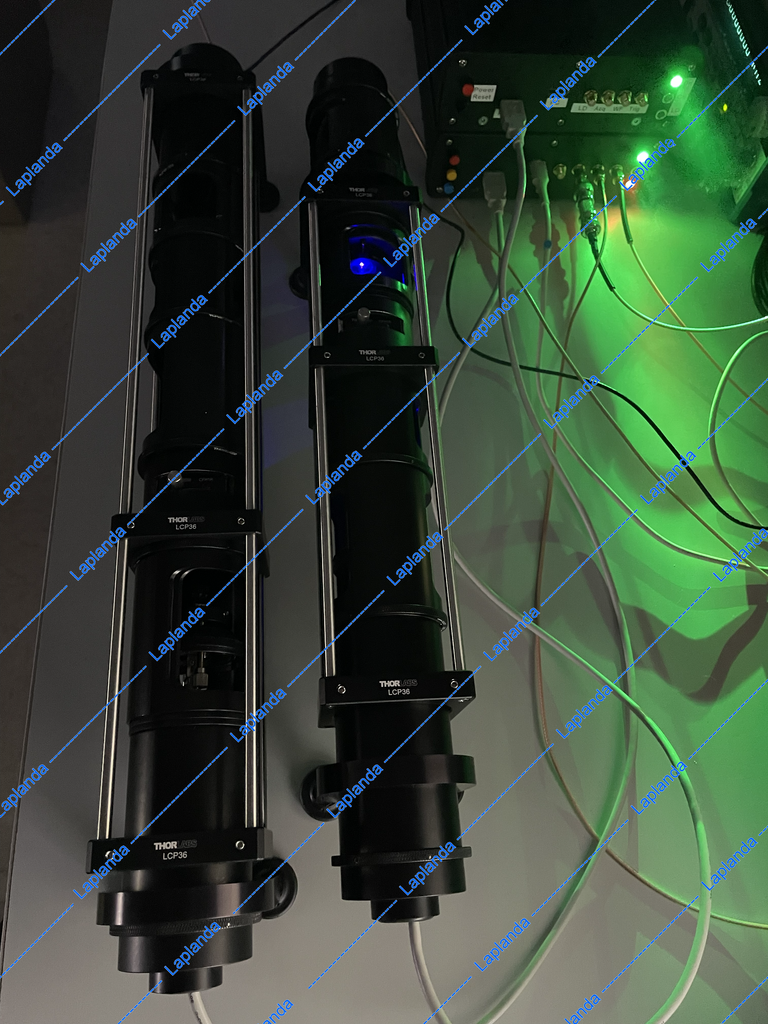
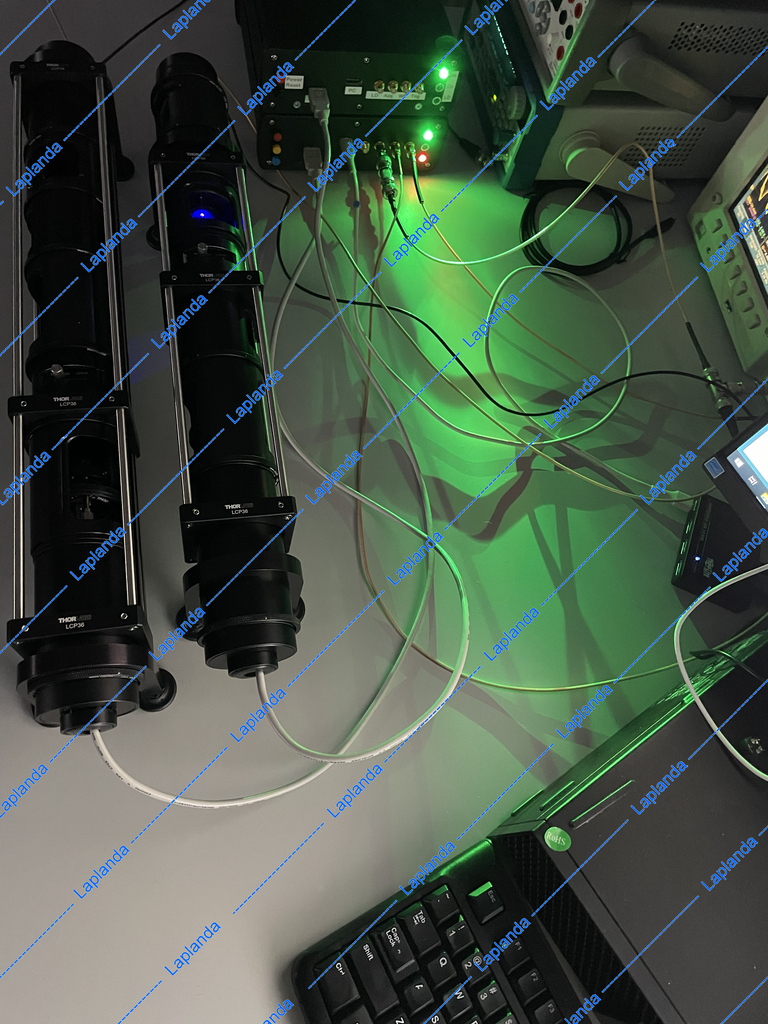
We use coherence and phase information in the process of excitation and fluorescence detection using a scanning Fabry-Perot interferometer with a detector. • Wavelength Range: 350 – 535 nm • Free Spectral Range: 10GHz • Total Finesse: >150 (180 Typ.) • Resolution: 67 MHz • Cavity Length: 7.5 mm • Mirror Substrate: UV Fused Silica
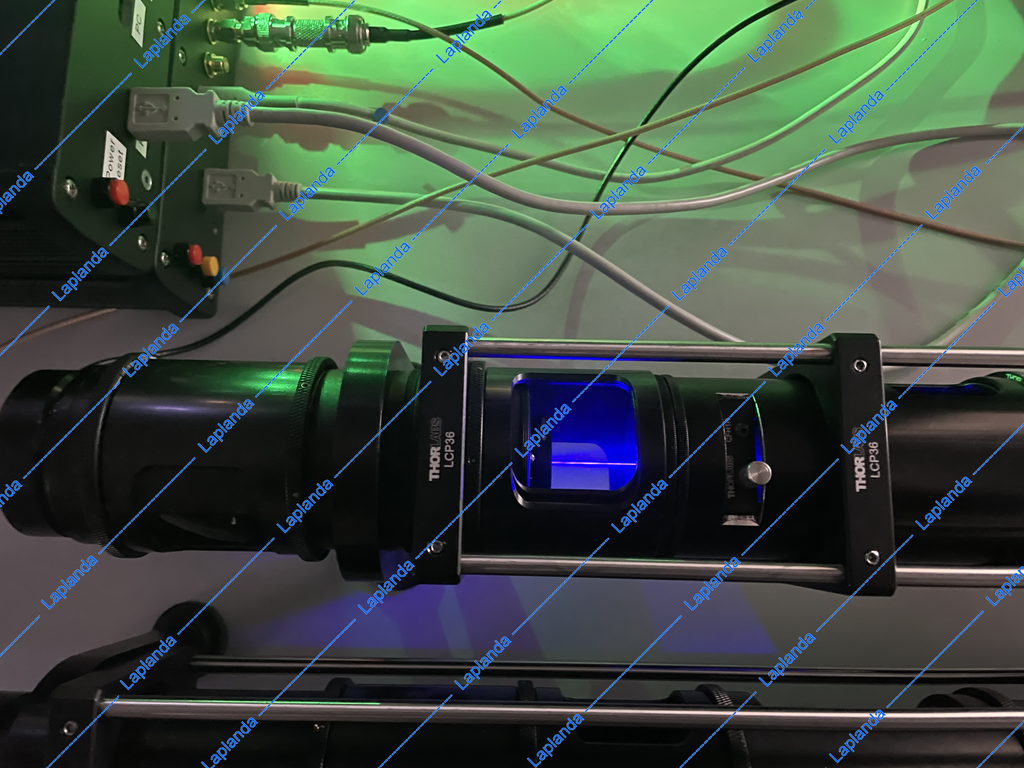
Interferometric Excitation Mode
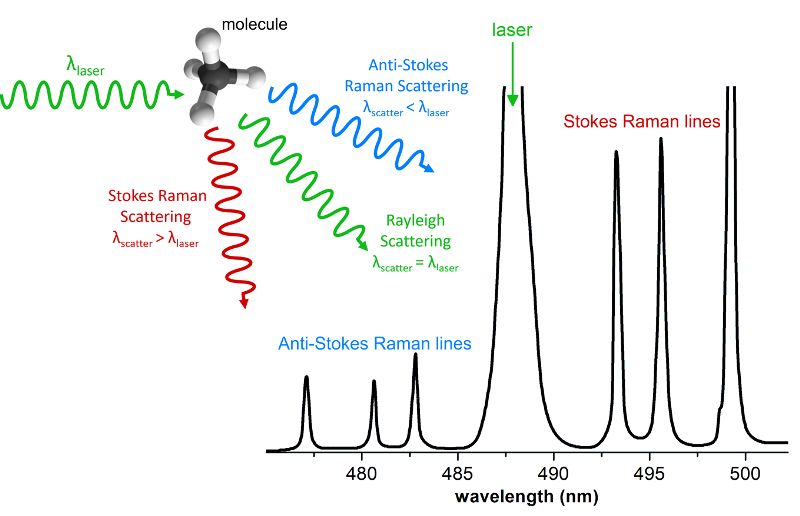
• The interferometer modulates the phase of the excitation light. • By varying optical path difference (OPD), you can scan interference fringes and selectively enhance coherent (Rayleigh or Raman) versus incoherent (fluorescence) scattering. • Because fluorescence is incoherent, its signal will not show high-contrast fringes, while coherent reflections or elastic scatter will — allowing to separate them.
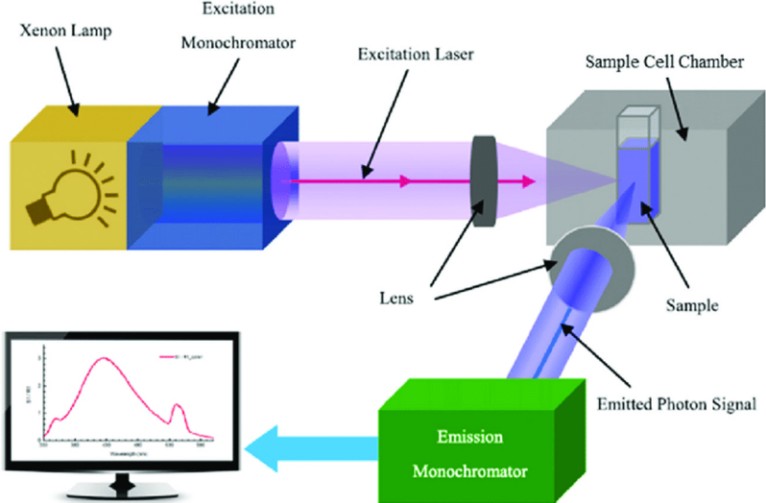
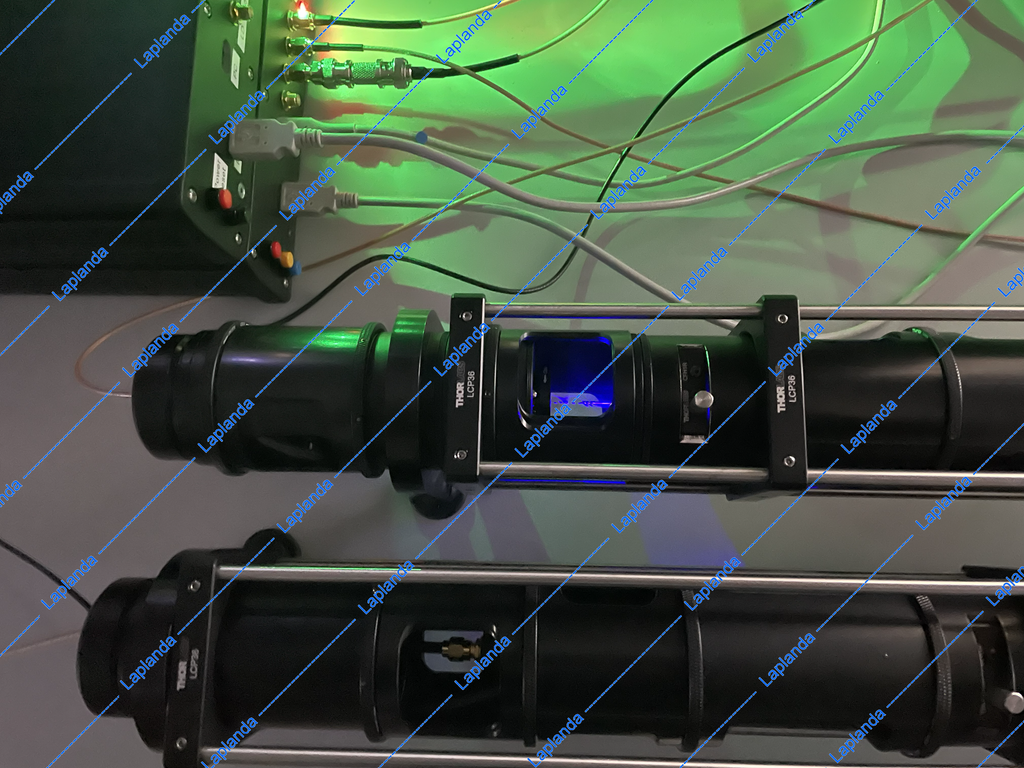
Interferometric Detection (Fourier Transform Fluorescence Spectroscopy) mode
• The fluorescence (broadband) signal passes through an interferometer. • The interferogram encodes the emission spectrum. • Using Fourier Transform (FT) reconstruction, you can retrieve high-resolution fluorescence spectra, even with weak signals. • The narrow-linewidth 455 nm DFB source ensures that excitation coherence doesn’t leak into the fluorescence detection channel.
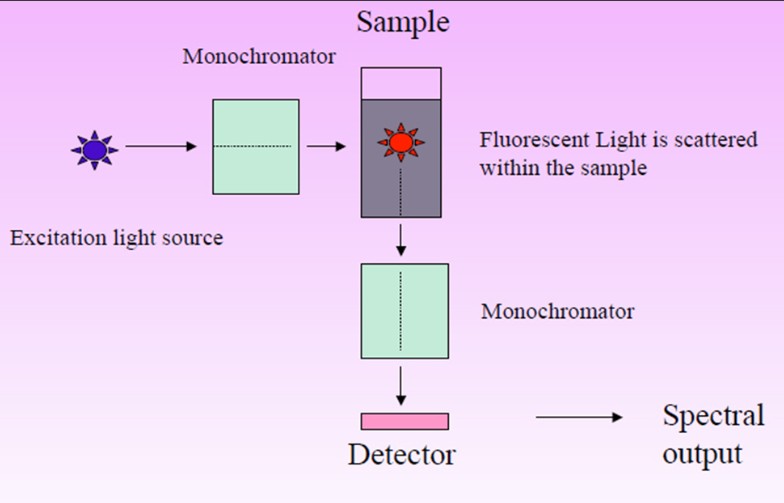
Advantages for Biological Samples
• High specificity: The 0.1 nm laser linewidth ensures reproducible excitation of specific electronic transitions. • Low phototoxicity: Blue light (455 nm) still carries moderate energy, less phototoxic than UV, suitable for live-cell or tissue work. • Phase-sensitive separation: Interferometry allows separating fluorescence from elastic (Rayleigh) or Raman scattering. • Quantitative optical sectioning: Interferometric or phase-sensitive detection can enhance axial resolution for tissue autofluorescence imaging.
Experimental Considerations
- Coherence Length: With 50 MHz linewidth, Lc=c/(πΔν)≈2m This coherence length is long enough for interferometric modulation of fluorescence excitation but short enough to avoid unwanted interference artifacts in scattering paths.
- Fluorescence Lifetime vs. Coherence:
Fluorescence is incoherent (lifetimes 1–10 ns) → the interferometer primarily helps in spectral discrimination, not phase coherence of fluorescence itself. - Detection System:
- Use a PMT or SPAD for single-photon detection if working with weak biological fluorescence.
- For spectral interferometry, an FT spectrometer or heterodyne detection can enhance signal-to-noise.
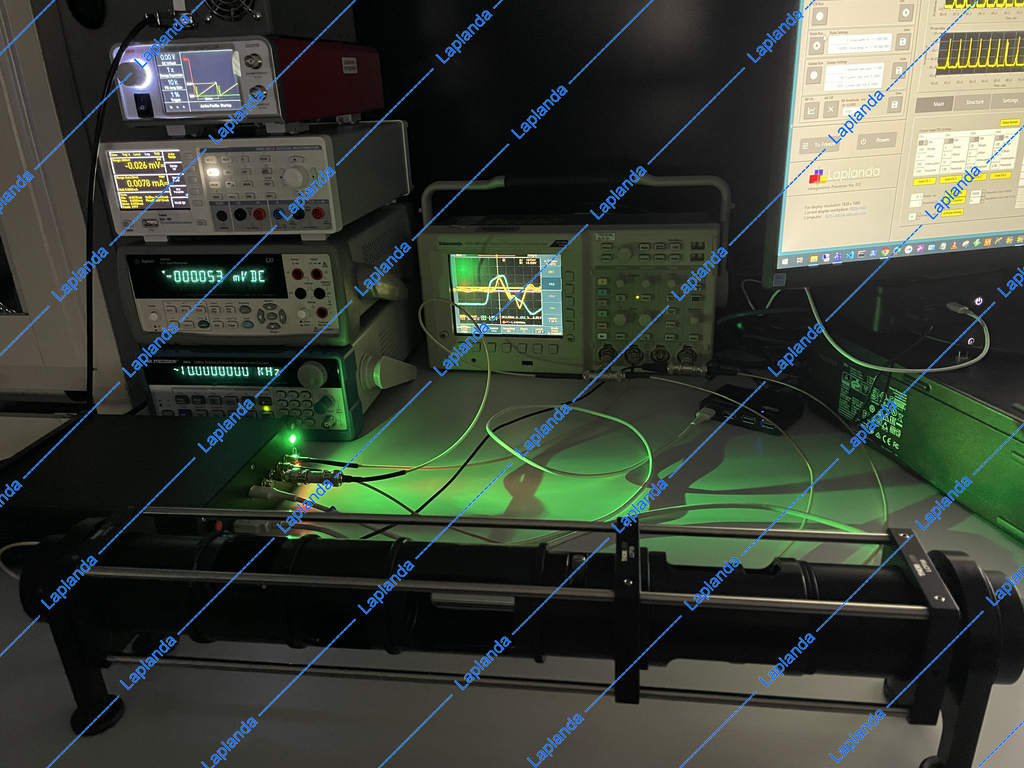
Biological Alphabet
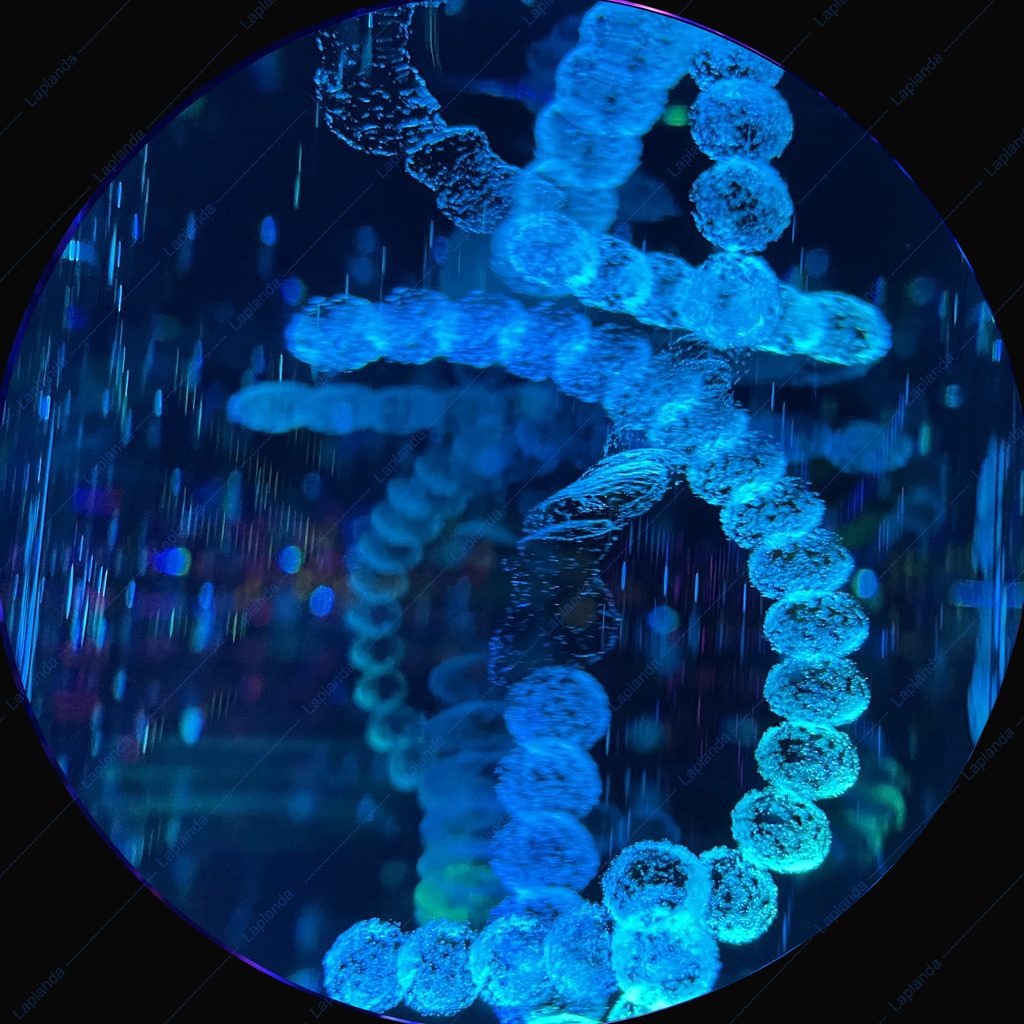
Every individual’s genome is unique. To develop a personalized Biological Alphabet for Longevity, we apply the IP®-based gene sequencing method, which integrates advanced fluorescence spectroscopy and precision optical analysis. Our research explores new frontiers in genomic science, revealing molecular phenomena within the human genome that are yet to be fully understood. Using a DFB-seeded blue laser (455 nm wavelength) in combination with a semiconductor optical amplifier (SOA), we achieve precise wavelength locking essential for accurate detection and analysis of biological structures. Below are microscopic images of living cells, showcasing the intricate beauty and complexity of cellular architecture.
To follow our progress and access member-exclusive insights, you can join our membership program.
Summary
• Excitation source 455 nm DFB laser is highly coherent, narrowband, stable excitation source • Bandwidth 0.1 nm with linewidth (50 MHz) enables interferometric modulation and high selectivity • Interferometer distinguishes coherent scattering vs. incoherent fluorescence; can perform FT spectral reconstruction • For biological samples excites flavins, collagen, porphyrins; useful for autofluorescence and metabolic imaging • As experimental benefit the IP® method has high spectral resolution, improved SNR, and potential for phase-sensitive fluorescence analysis